Post 03 · Engineering Authority
It is rarely the bag
Root causes of premature filter bag failure
0 comments on this post.
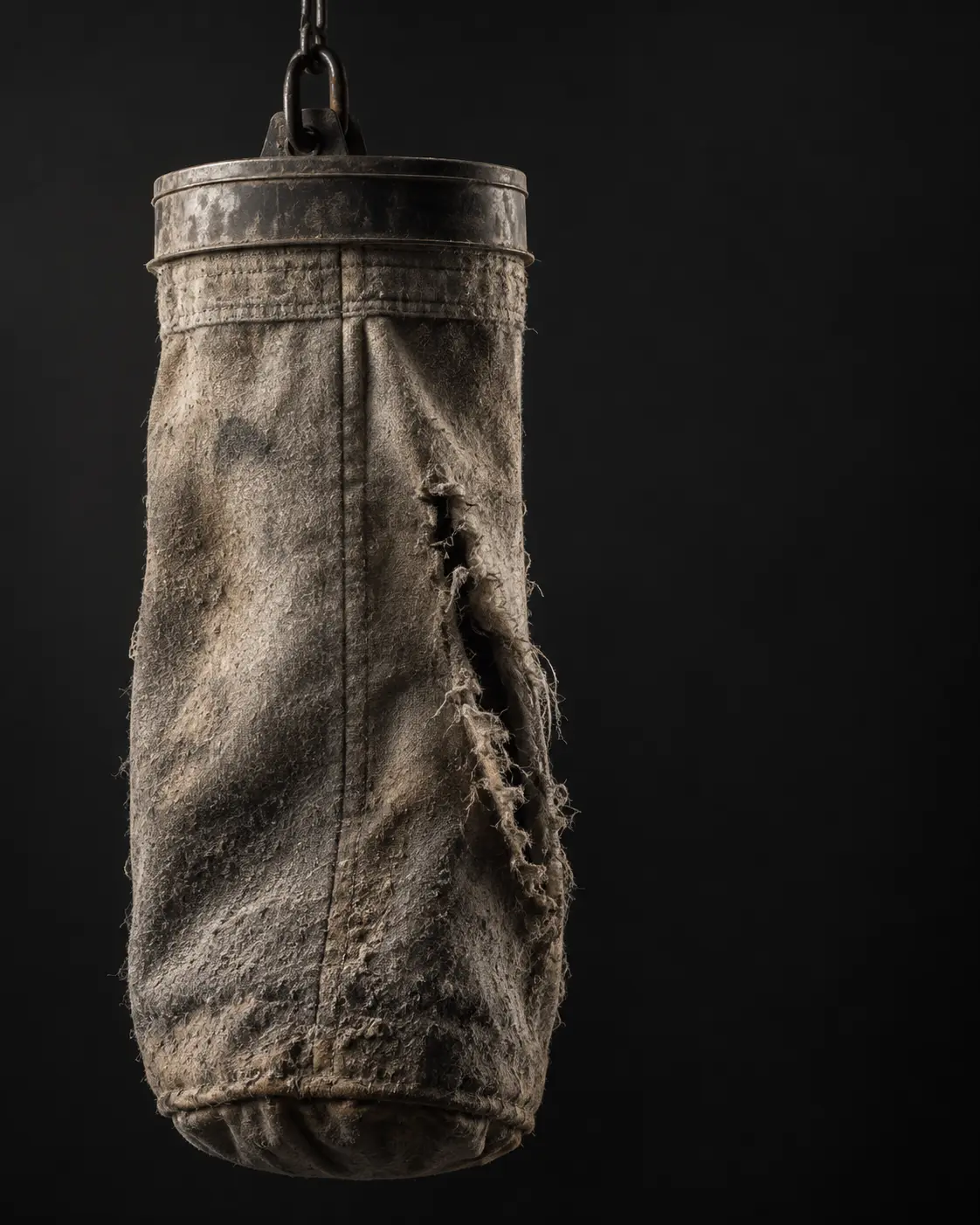
It is rarely the bag.
Before you blame the media.
Talk to our technical team.
Caption
A bag fails early. It gets pulled out and binned. The same specification goes back in. Next year the same thing happens.
By the third round of this, the plant has quietly concluded that filter bags simply do not last in this application, and everybody adjusts their budget accordingly. Nobody involved has been careless. The problem is that every single person is working without evidence, because the evidence went into a skip eleven months ago.
A failed filter bag is the most informative object in a baghouse, and almost nobody treats it that way.
It carries its own thermal history inside the fibre. Media that has run hotter than it was specified for becomes brittle and loses tensile strength, and that change is clearly visible under magnification long before anyone on the shop floor would notice anything. Chemical attack leaves a completely different signature, and the three main kinds — hydrolysis, oxidation and acid attack — each degrade the polymer in their own particular way, which is what FTIR spectroscopy is for.
Abrasion tells you about geometry rather than chemistry. If the wear is concentrated where the bag touches the cage, you have a fit problem and the media was never the issue. If the wear is at the bottom cuff, you are usually looking at can velocity or dust being drawn back up out of the hopper. If it is at the top, the cleaning system is the more likely culprit.
And blinding — where the dust cake stops releasing properly — tells you the gas has been passing through its dew point, probably for months, and that the pressure-drop chart has been saying so the whole time.
None of this requires you to buy a new instrument or install anything. It requires one bag, kept rather than thrown away.
Our laboratory at Indore runs FTIR spectroscopy and microscopic fibre analysis on failed media. It usually tells us in a day what a plant has been guessing at for a year.
So before your next replacement cycle, keep one bag. Put it in a sack, write the compartment and the date on it, and leave it in a corner. It costs nothing, and it is the only piece of evidence in this entire process that cannot be recreated afterwards.
Talk to our technical team.
#IndustrialFiltration #Baghouse #DustCollection #CementIndustry #AirPollutionControl